
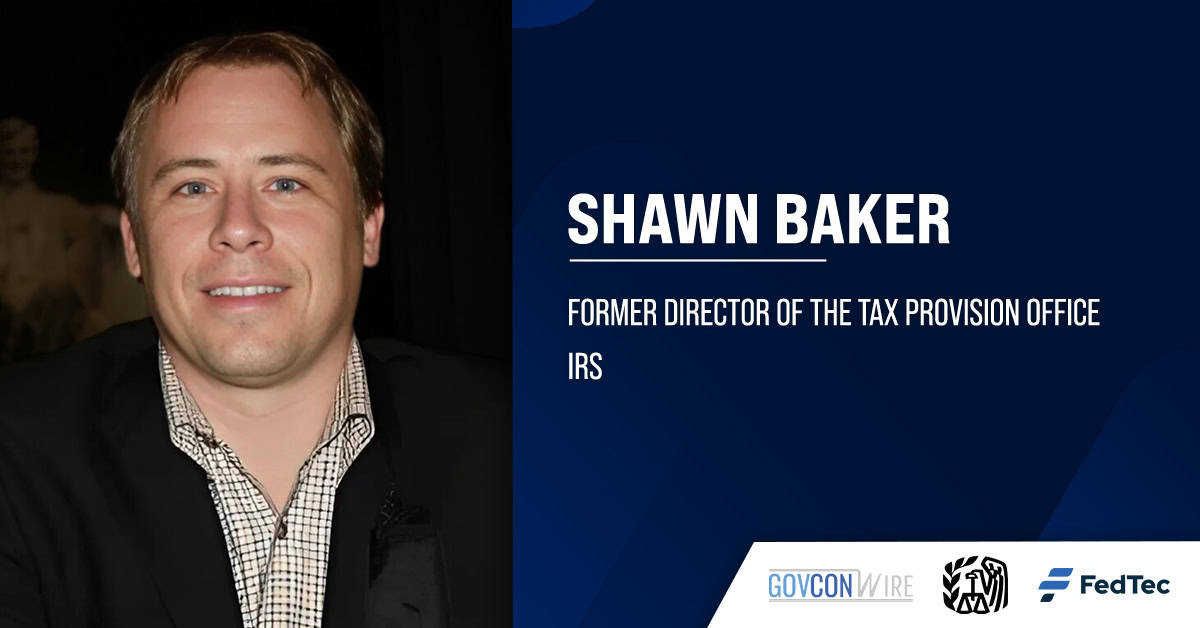

When the Inflation Reduction Act, or IRA, and Creating Helpful Incentives to Produce Semiconductors—a.k.a. CHIPS—Act were passed, they introduced more than 30 new tax provisions, each one complex, time-sensitive, high-profile and collectively represented about $1.2 trillion in tax credits over the next 10 years. But instead of defaulting to the IRS’ traditional paper-first methodology Shawn Baker, director of the Tax Provision Implementation Office, and Sharyn Fisk, former director of the Tax Provision Implementation Office, chose to challenge the status quo.
The result? A new model for how tax credits can be delivered was implemented fully digital from the start. This approach aligns with the broader federal push for efficiency and for eliminating paper advocating for digital-first solutions to reduce costs and improve service delivery.
IRS Rethinking the Playbook
Traditionally, the IRS starts new tax law implementations by updating or developing new paper forms and building from there. Fisk and Baker’s team took a different route with IRA-CHIPS. They grouped provisions strategically and conducted early analysis to define business processes, avoid duplication and eliminate unnecessary steps long before IT was involved.
From the outset, the team decided not to create any new paper forms. Baker described it as a “fundamental” change, rejecting inefficiency from the start. Instead of building an electronic process on top of a paper one, they designed it digitally from day one. This initiative mirrored an emphasis on eliminating redundant processes, striving for zero paper and embracing technology to streamline government operations and lower costs.
This change in approach helped the team avoid silos and delays often attributed to paper form design and integrating with old systems. Rather than falling into legacy traps or working in silos, the team prioritized a clean, efficient taxpayer experience by reimagining a digital taxpayer journey, an enhanced employee experience that reduced manual reviews, speeding up the tax credit delivery process.
“We didn’t just come in organized; we came in with a clear plan and brought people along,” Baker said. “That shifted the dynamic. Instead of communication gaps or differences in policy between business and IT, we worked together to solve problems. People rallied together and executed as a team.”
Digital Transformation Breeds Results
The results were undeniable.
“Electric vehicle credits in the Advanced Payment program were able to be transferred to qualified car dealerships in just three days,” he noted, referencing how real-time data created faster and more accurate outcomes, enhancing taxpayer experience but also exceeding objectives of reducing bureaucratic delays.
And the shift became self-reinforcing.
“Now we’re at a point where it’s like, we can’t even fathom how we ever develop paper processes for the new provisions in IRA/CHIPS,” Baker said.
Partnered closely with Fisk and Baker was Pal Sunkara, vice president of digital transformation at FedTec, to address known pain points and accelerate delivery.
“Our focus was on removing barriers and empowering teams to move faster with confidence,” said Sunkara, a key leader on the project. “By aligning business and IT from day one, we were able to create meaningful momentum that drove measurable results.”
The team also collaborated directly with business subject matter experts and end users to elevate the overall customer experience, while also accelerating the rollout of new features, doubling the speed of deployment to meet critical taxpayer needs. Their involvement enabled real-time insights and data-driven decision-making at every stage of implementation, reinforcing a digital-first mindset across the IRS and its supporting agencies.
New Digital Strategies at IRS Yielded a Permanent Shift
The benefits were immediate and measurable. Real-time data allowed for faster fraud detection, and some advanced payments, like those to qualified car dealerships, were issued in as little as three days. The team estimates that going digital used about half the development cost and half the team size compared to a traditional rollout. These outcomes contribute to overarching goals aiming to reduce federal spending through technological advancements and process improvements.
The transformation wasn’t just a one-time success, Baker shared that teams now struggle to imagine how they ever would have executed the program using paper. Thanks to this success, digital-first is simply the way forward.