

- Randy Nixon has identified key factors for building an effective data fusion capability
- Integration design, structured data models and governance are central to his approach
- Validated fusion strengthens situational awareness and supports faster decisions
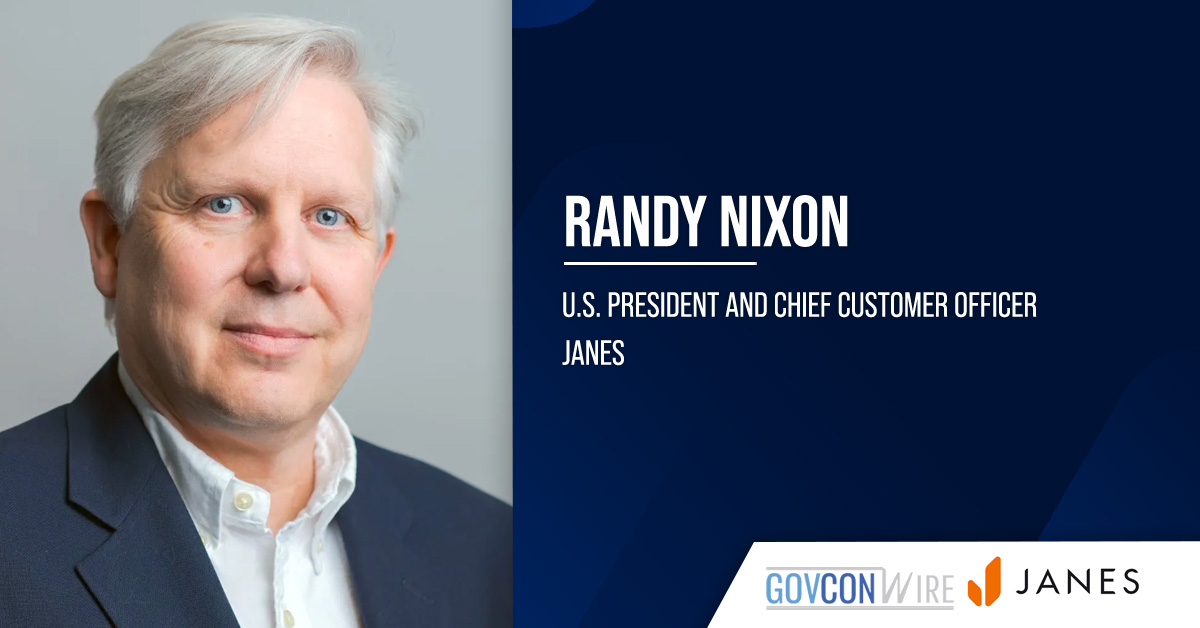
Randy Nixon, U.S. president and chief customer officer at Janes, said organizations looking to leverage the value of data fusion should prioritize how effectively information is integrated, validated and applied to generate greater understanding and insight for decision-making.
What Are the Critical Factors for Successful Data Fusion?
In an article published on Carahsoft.com, Nixon — who was named president of Janes’ U.S. business in May after leading the unit on an interim basis since February — discussed the critical factors that separate a high-impact fusion capability from simple data aggregation.
He said organizations should design for integration from the outset, adopting data, platform and delivery models that fit existing workflows rather than bolting on external sources later, so analysts work within a single environment instead of toggling between disconnected tools.
Nixon also pointed to the need for a common, structured data model, noting that fusion works best when data is validated, machine-readable and aligned to a shared framework, allowing it to be connected and analyzed in context.
He added that organizations need strong governance and trust frameworks, with clear guidance on provenance, security and access controls, particularly when combining public information with sensitive or classified sources.
What Foundation Does Data Fusion Require?
According to Nixon, an effective fusion capability rests on validated data, noting that growing volumes and varieties of sources raise the risk of conflicting or misleading information — a problem he said has intensified with the spread of AI-generated content.
He said fusion is less about collecting more data and more about establishing a reliable ground truth, linking people, organizations, locations, capabilities and events so analysts understand not just what happened, but why and what may follow.
Nixon noted that AI can speed up pattern recognition but cannot replace sound analysis.
“Organizations that ground fusion in verified data will be able to cut through the noise, strengthen the quality of their insights, and make decisions with greater speed and confidence,” he wrote.
In an Executive Spotlight interview, Nixon said leaders should focus less on adopting AI for its own sake and more on how it improves speed and decision advantage without undermining trust in the results, pointing to a broader shift from manually intensive analysis toward AI-augmented workflows that let teams process more unclassified and open-source data, identify patterns faster and spend more time on judgment and interpretation.
How Does Janes Help Organizations Improve Decision-Making?
Nixon pointed to a Janes engagement with a Western navy that wanted a secure, isolated shipboard data environment giving personnel access to all-source information across multiple classification levels, integrating data on equipment, operators, order of battle, capabilities and related entities to support mission planning.
The Janes executive said pairing the company’s validated, unclassified defense intelligence with the navy’s operational setting gave personnel a fuller picture of the mission space, strengthening situational awareness and supporting more confident decision-making in an offline, edge environment. He added that organizations combining validated internal and external data will be better equipped to spot emerging risks and make faster, more confident decisions as available information continues to expand.