

- Lockheed Martin has received a potential $35 billion contract to scale THAAD interceptor production
- The agreement will increase annual THAAD output from 96 to about 400 interceptors over the next seven years
- The award is among the first multiyear contracts issued under the War Department’s Acquisition Transformation Strategy
Lockheed Martin has received a potential $35 billion undefinitized contract action to increase production of Terminal High Altitude Area Defense interceptors, or THAAD. The award is one of the first multiyear procurement contracts executed under the Department of War’s Acquisition Transformation Strategy, the global defense technology company said Wednesday.
What Does the THAAD Production Award Cover?
The award is intended to more than quadruple THAAD interceptor production, increasing annual output from 96 units to approximately 400 over the next seven years. The contract implements the THAAD framework agreement signed by the government and Lockheed Martin in January, providing a long-term production commitment in support of the Arsenal of Freedom initiative.
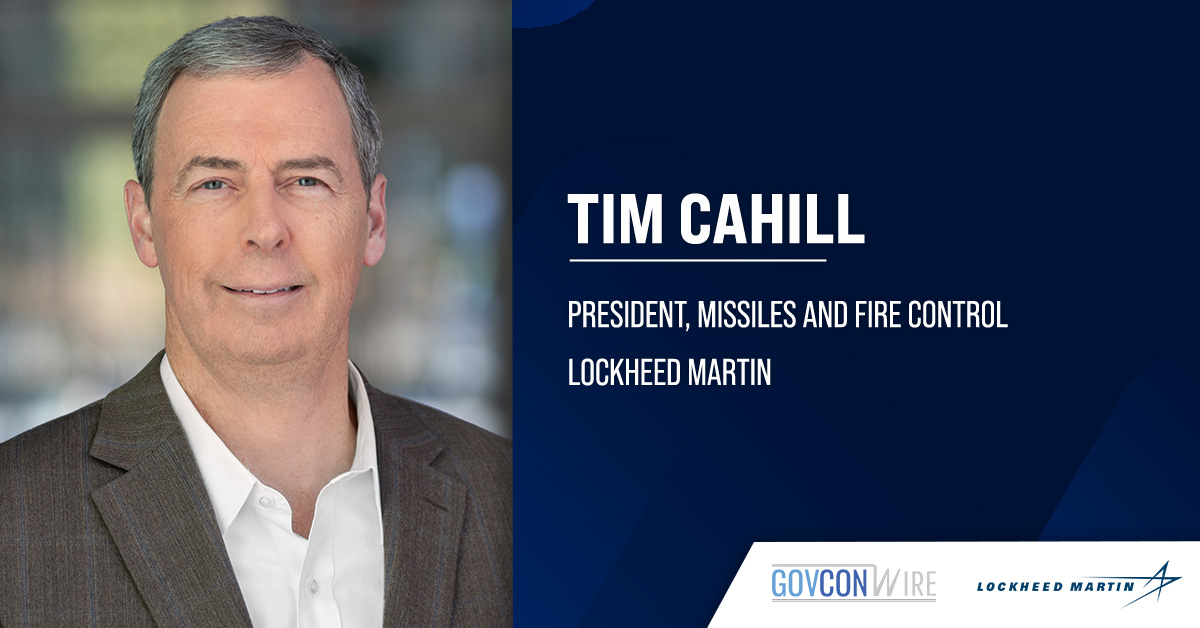
Tim Cahill, president of missiles and fire control at Lockheed Martin, said the award reflects the company’s shared vision with the War Department to strengthen the nation’s Arsenal of Freedom through a transformational shift to multiyear procurement. He added that the new approach will help strengthen the defense industrial base, expand production and deliver capabilities to U.S. warfighters at unprecedented speed and scale.
How Is Lockheed Martin Expanding Production?
The contract award follows the groundbreaking of an 87,000-square-foot Munitions Production Center in Troy, Alabama, part of Lockheed Martin’s planned investment of more than $9 billion through 2030. The company said the investment includes more than 20 new or modernized manufacturing facilities nationwide, as well as recently opened missile production facilities in Courtland, Alabama, and Camden, Arkansas.
The contract follows agreements the DOW announced in March with Lockheed Martin, BAE Systems and Honeywell under the Acquisition Transformation Strategy. Those agreements, launched through the Munitions Acceleration Council, are intended to accelerate munitions production and strengthen the defense industrial base.