

The Federal Trade Commission has proposed that Boeing divest Spirit AeroSystems assets to resolve antitrust concerns over the companies’ planned merger.
The agency said Wednesday that Boeing will have to sell Spirit businesses that supply aerostructures to Airbus.
Spirit’s aerostructures business in Subang, Malaysia, which provides critical components to both Boeing and Airbus, will be divested to Composites Technology Research Malaysia.
Why Should Boeing Divest Spirit Assets According to the FTC?
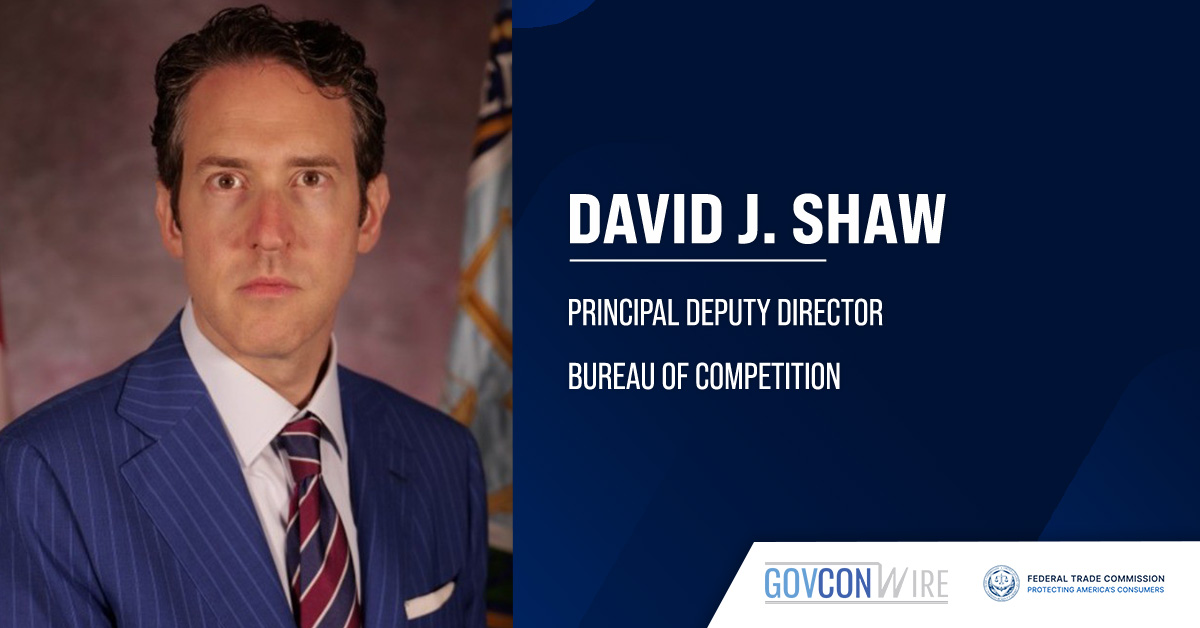
David J. Shaw, principal deputy director of the FTC’s Bureau of Competition, explained in a statement that the proposed divestiture will protect aircraft manufacturing competition and ensure that passengers maintain access to high-quality aircraft.
“American commercial travelers and our military deserve to fly on dependable aircraft, manufactured with reliable components,” the official said.
Headquartered in Wichita, Kansas, Spirit is one of the world’s largest manufacturers of aerostructures, such as fuselages and wings, for commercial, business and defense airplanes.
In addition to divestments, Boeing is also required to continue providing aerostructures and support services to its competitors.
Is There an Update to Boeing’s Spirit Acquisition?
Boeing announced in July 2024 that it had agreed to acquire Spirit for approximately $8.3 billion.
A Boeing spokesperson said that while the transaction has yet to close, the company will pursue the remaining steps needed to finalize the acquisition.
“This milestone will further enhance our ability to manufacture safe, high-quality airplanes for our customers and benefit the flying public,” the spokesperson added via a CNBC report.