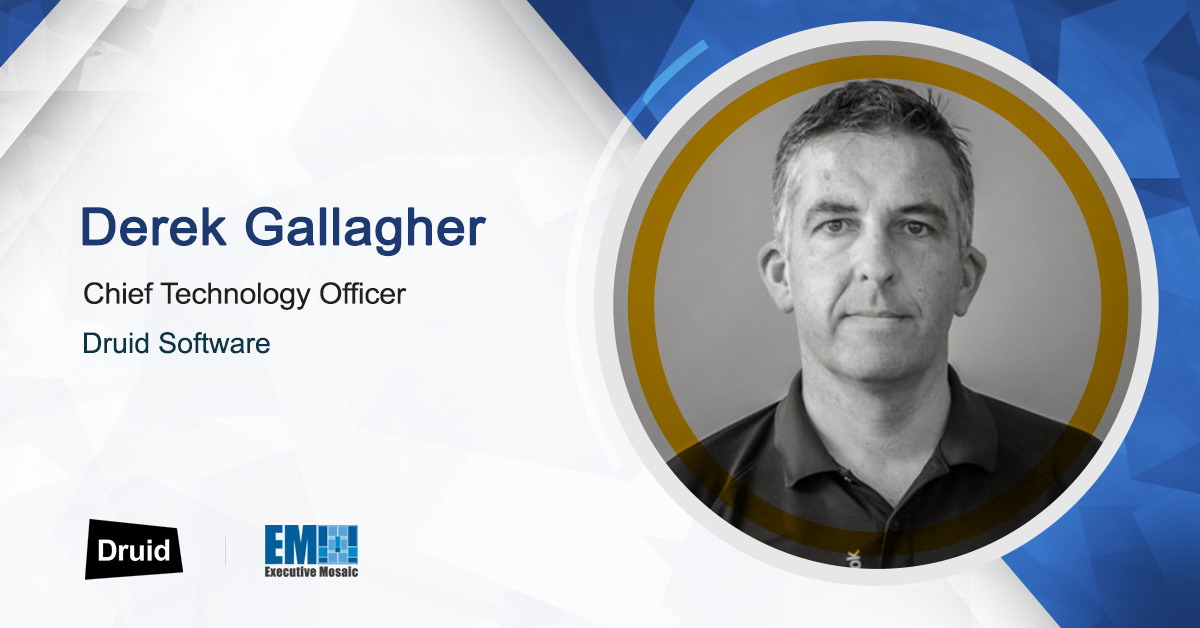
“Beyond the built-in security private 5G networks bring, they also have the capacity to add extra layers of security,” Gallagher wrote in an article published on Carahsoft.com.
“The other components of a robust network include radio frequency technology and the latest 5G devices and radios,” he added.
Gallagher cited some of the factors agencies should consider when deploying 5G networks and those are focusing on the use case and choosing partners that understand the requirements of an agency and can use all the benefits of the 3rd Generation Partnership Project specifications.
“The ultimate goals are simplicity, flexibility and low cost of ownership. A private network built on open solutions allows agencies the flexibility to integrate their own applications and services, and it is easy and cost-effective to operate,” he stated.
Gallagher mentioned Druid’s Raemis application and how the platform works to streamline the implementation of standalone networks.
According to the CTO, Raemis comes with capabilities designed for mission-critical communications, could be fielded on edge hardware devices or in cloud-native environments and could support integration with mission-critical applications.