
- U.S. and Iran have signed a preliminary agreement to extend a ceasefire and reopen the Strait of Hormuz
- Officials have discussed sanctions relief and a potential $300 billion reconstruction fund
- The 2026 Army Summit will feature discussions about AI, wireless spectrum and the future of the tactical edge
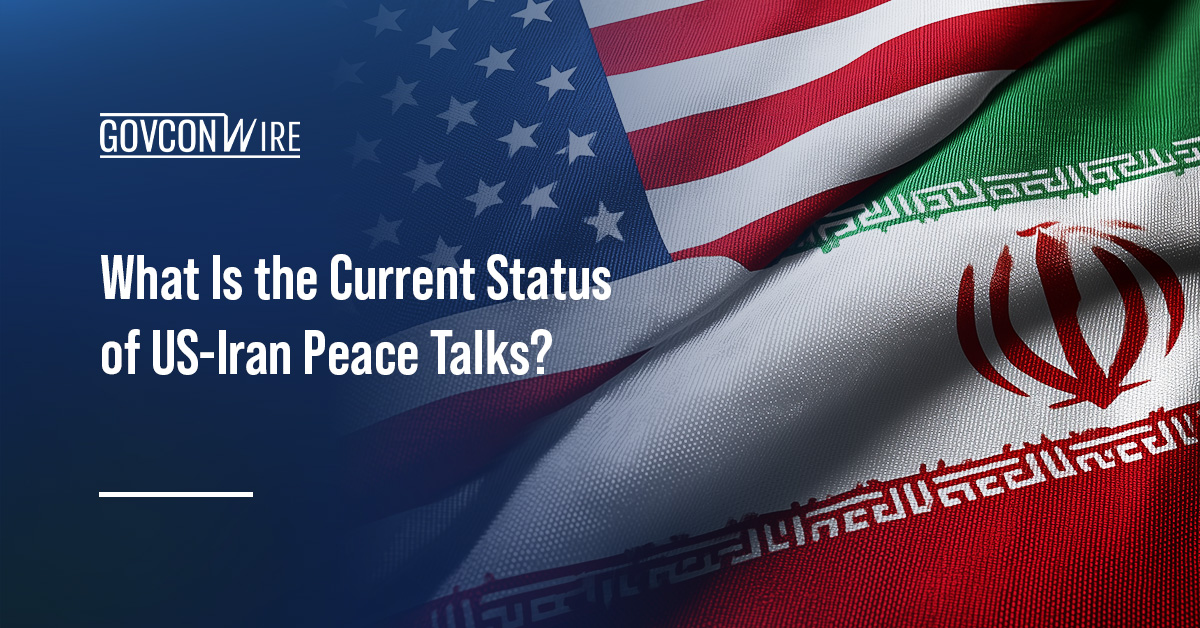
The U.S. and Iran have signed a preliminary agreement aimed at extending a ceasefire, reopening the Strait of Hormuz and creating a framework for negotiations on a permanent settlement after nearly four months of conflict, Reuters reported Monday.

As military leaders and policymakers navigate evolving global security challenges, discussions around modernization, operational readiness and emerging technologies continue to shape defense priorities. The 2026 Army Summit is happening on Thursday. Join government and industry experts as they examine various topics, including the interconnected battlefield, the future of the tactical edge, artificial intelligence and wireless spectrum capabilities. Don’t miss this event! Sign up now!
President Donald Trump said the agreement has been signed and that Vice President JD Vance will attend a formal signing ceremony scheduled for Friday in Geneva. Iranian officials described the memorandum of understanding as an important step toward ending the conflict but said negotiations on a lasting truce remain ongoing.
What Does the Deal Say About the Strait of Hormuz?
The agreement calls for reopening the Strait of Hormuz, a key energy transit route that carries roughly one-fifth of global oil trade.
Trump said the waterway would reopen after mine-removal operations are completed. News of the agreement helped push oil prices to their lowest level since March 10.
The deal would also lift restrictions that have disrupted shipping through the strait and affected global energy markets during the conflict.
What Issues Still Need to Be Negotiated?
Several major issues remain unresolved, including Iran’s nuclear program, sanctions relief and regional security concerns.
The memorandum is expected to establish a 60-day negotiation period focused on Tehran’s nuclear activities. Trump told The Wall Street Journal that Iran has agreed not to obtain nuclear weapons. Vance described the memorandum as a roughly 1.5-page framework document and said it includes a “very significant sanctions relief package” for Iran.
Questions also remain about inspections, the disposition of Iran’s enriched uranium stockpile and the scope of any future sanctions relief.
The Associated Press reported that officials said additional details of the agreement are expected within the next two days and that technical talks will begin Friday after the signing ceremony, with Vance leading negotiations for the U.S. delegation.
What Could the Deal Mean for the Economy?
The agreement could have significant economic implications for both Iran and global energy markets.
The Strait of Hormuz carries about 20 percent of the world’s oil trade, and the conflict contributed to higher energy prices and increased costs for consumers.
Reuters reported that U.S. and Iranian officials have discussed potential economic measures that could accompany a broader settlement, including sanctions relief, access to frozen Iranian assets and a proposed $300 billion reconstruction fund financed by Gulf states that host U.S. military bases. However, details of any economic package have not been formally released.
The conflict has also exacted a significant human toll. Reuters reported that at least 7,000 people have been killed, most of them in Iran and Lebanon.
What Is Lebanon’s Role in the Peace Talks?
Lebanon remains one of the principal unresolved issues in the negotiations.
Iran has indicated that a lasting agreement would require an end to hostilities involving Hezbollah, while Israeli Prime Minister Benjamin Netanyahu has said Israel intends to maintain military operations in southern Lebanon and retain the right to respond to attacks.
Trump has publicly urged Israel to halt attacks in Lebanon, arguing that continued exchanges risk undermining the broader diplomatic effort.