
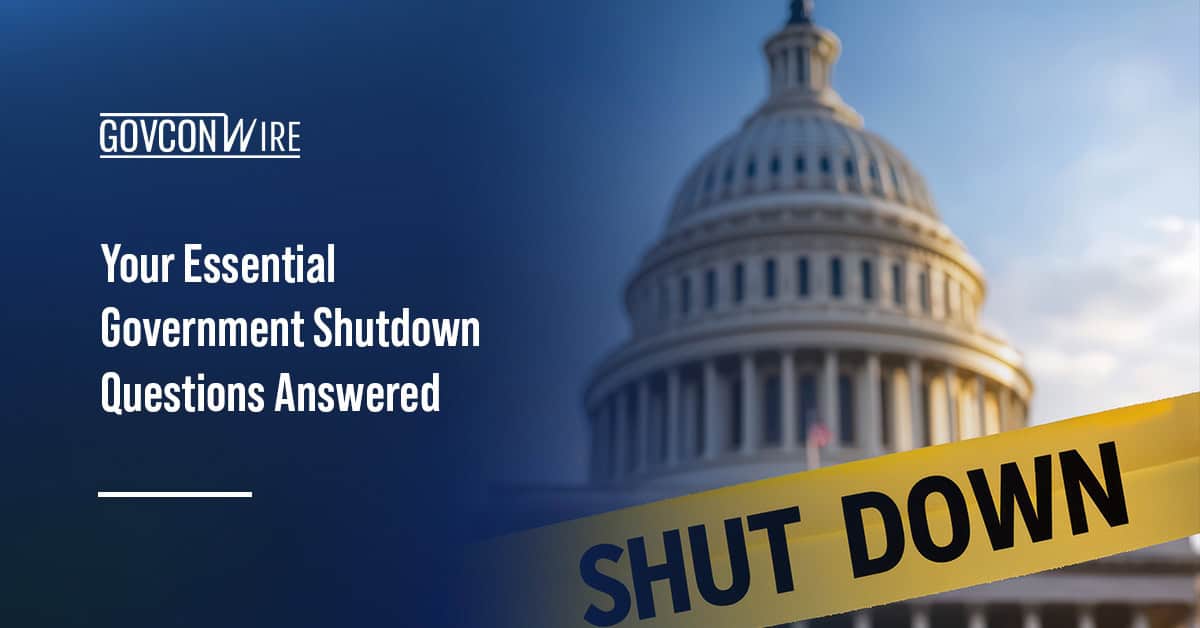

Government shutdown. The phrase immediately raises essential questions for federal employees: Am I required to work? Will I get paid? If so, when?
GovCon Wire is here to help. The distinction of which federal employees are required to work during a shutdown, and when they’ll get paid, comes down to whether their work is classified as excepted, exempt or nonexempt.
Let’s dig into the answers to your essential government shutdown questions.
Be the first to learn how the shutdown impacts Department of Homeland Security operations at the Potomac Officers Club’s 2025 Homeland Security Summit on Nov. 12! Hear directly from Homeland Security Secretary Kristi Noem during her keynote address how innovative budgeting strategies ensured law enforcement officials got paid during the shutdown. This is the must-attend event of the year for GovCon executives with homeland security portfolios. Sign up today!
Who’s Getting Paid During the Government Shutdown?
There are three categories of federal employees during a government shutdown, according to the National Federation of Federal Employees:
Excepted
Workers with jobs funded by annual appropriations that have lapsed, but who are legally required to continue their duties because they are excluded, or excepted, under the Antideficiency Act. They are excepted employees. This prohibits federal agencies from spending funds in advance, or in excess, of appropriations and from accepting voluntary services.
Excepted jobs typically involve protecting life or property or performing constitutionally-authorized functions. Excepted employees work without pay during a shutdown and receive backpay once funding resumes.
What Are Some Examples of Excepted Work?
- Secret Service agents
- Coast Guard personnel
- Transportation Security Administration airport security screeners
- Federal judges, in accordance with the Constitution.
- Air traffic control workers
- Active-duty Department of Defense members
- FBI agents
- DOD cyber professionals
- ARPA-H employees
Exempt
Federal employees whose work and pay are funded outside of annual appropriations and are not affected by a lapse in appropriations are called exempt. These include jobs funded by revolving or working capital funds, multi-year appropriations or pre-obligated contracts. They continue working and are paid as usual.
Want to know how DHS kept operating, and paying, during the shutdown? Sec. Noem’s keynote at the Potomac Officers Club’s 2025 Homeland Security Summit on Nov. 12 is just for you! Hear Noem reveal the budgeting strategies that protected law enforcement pay amid the disruption. This elite GovCon event is the premier destination for executives shaping homeland security policy and programs. Secure your seat today!
Who’s Not Getting Paid During the Government Shutdown?
Nonexempt
Nonexempt employees have positions funded by yearly appropriations that have lapsed. They don’t work during a shutdown, called furlough. They receive back pay once funding resumes.
What Are Some Examples of Nonexempt Work?
- DOD procurement, administrative support and training personnel
- DHS auditing professionals
- Department of Justice policy roles
- Department of State contracting staffers
- Census Bureau surveyors
- NASA public affairs personnel
How Will DHS Law Officers Be Paid During the Shutdown?
Noem announced on Instagram that DHS law enforcement officials will receive a “supercheck” by Oct. 22 to ensure they don’t have to wait until an appropriations bill is signed into law to get paid. This will cover four days lost, overtime and the next pay period.
Will the Government Shutdown End?
According to the event-based trading platform Polymarket, 85 percent of respondents believe Congress will pass a funding bill by Nov. 30. Only 27 percent believe appropriations will be passed by Oct. 31.
Additionally, Polymarket respondents believe that the shutdown will exceed 34 days, making it the longest shutdown in U.S. history.