Author: Naomi Cooper|| Date Published: August 15, 2023
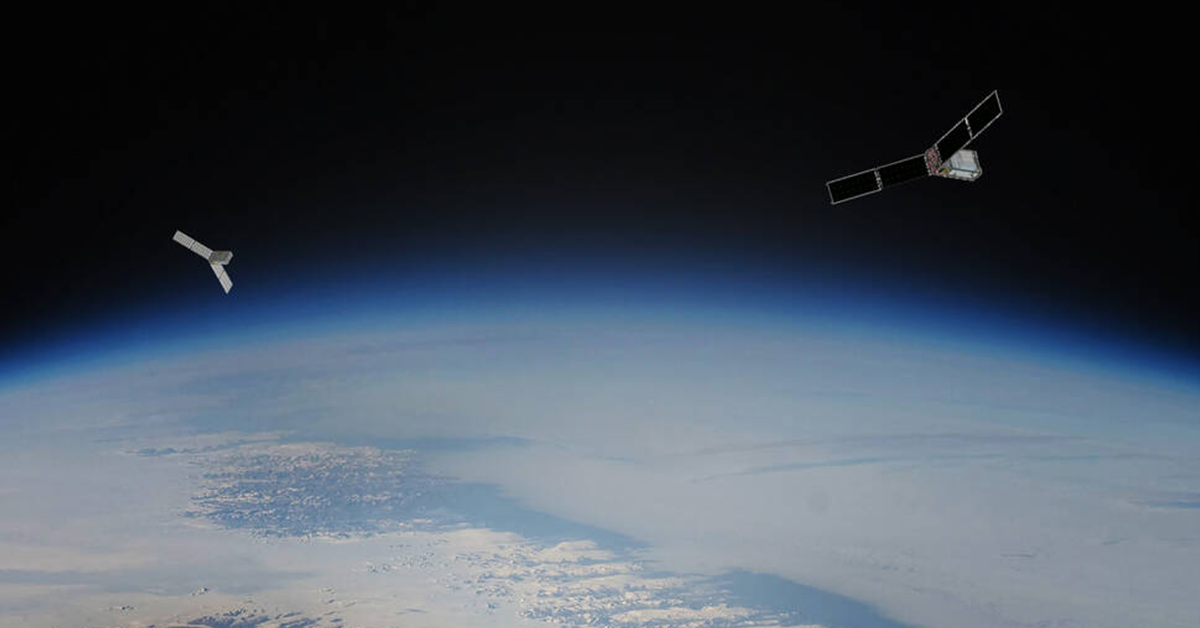
NASA has selected Rocket Lab USA (Nasdaq: RKLB) to deploy a pair of small satellites into low Earth orbit to help scientists understand how warming climate affects ice shelves in the Arctic and Antarctica.
The Polar Radiant Energy in the Far-InfraRed Experiment mission is targeted for a 2024 launch to gather data on heat emissions in the polar region to inform climate modeling and forecasting and measure impacts on sea ice loss, ice sheet melt and sea level rise, the company said Monday.
Rocket Lab USA will support the deployment of two six-unit CubeSats into space using the company’s Electron rocket.
Researchers will use data from PREFIRE satellites in efforts to generate more accurate climate models for predicting storm severity and frequency and coastal erosion and flooding.
Commercial launch services for the 10-month mission are part of a deal executed under NASA’s $300 million Venture-class Acquisition of Dedicated and Rideshare contract vehicle.
PREFIRE launch efforts will mark the seventh and eighth for the partnership between Rocket Lab and the space agency.