NSO’s spyware, dubbed Pegasus, can hack the mobile phones of users to extract messages, photos, videos, contacts and other data using “zero days” or the company’s software vulnerabilities. Pegasus, which can turn cellphones into recording and tracking devices, had been reportedly used by governments to target the phones of human rights activists, political leaders and journalists.
The use of the Pegasus hacking tool prompted the Biden administration to put NSO on a Department of Commerce blacklist in November, saying the company had acted “contrary to the national security or foreign policy interests of the United States.”
With the blacklist in place, the department prohibits U.S. companies from doing business with NSO and bars the Israeli firm from buying U.S.-made technology to sustain its operations.
According to people familiar with the matter, talks over a potential deal progressed in recent months because U.S. intelligence officials quietly backed plans to buy NSO provided that certain conditions were achieved, including the potential sale of NSO’s zero-day vulnerabilities to partners of the U.S. in the Five Eyes intelligence alliance.
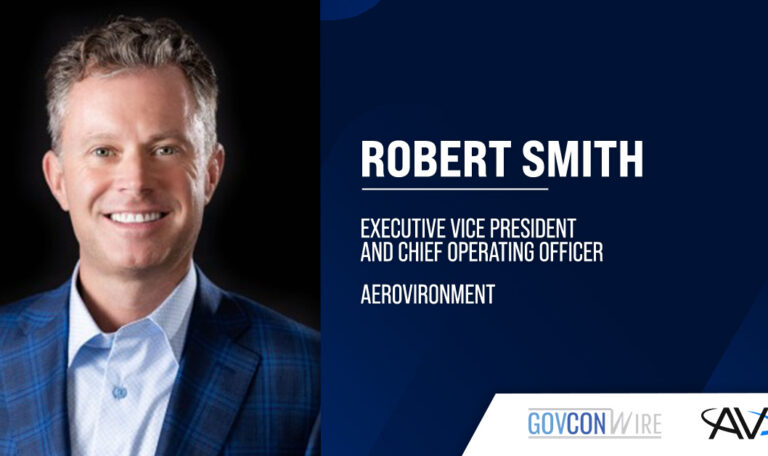
AeroVironment has tapped Robert “Rob” Smith as executive vice president and chief operating officer. Smith’s appointment, which will become official April 13, underscores…
GreyNoise Intelligence has launched Command and Control Detection, a new intelligence module designed to identify active cyber compromises using outbound…
BigBear.ai has named Jo Ann Bjornson as chief human resources officer and Alex Thompson as chief corporate affairs officer. The new leadership appointments…