

Boeing’s defense, space and security, or BDS, business reported $6.6 billion in fiscal 2025 second-quarter revenue, up 10 percent from the prior-year period, and posted an operating margin of 1.7 percent.
In an earnings release published Tuesday, the BDS segment ended the second quarter with a backlog of $74 billion, with customers outside the U.S. accounting for 22 percent of orders.

Hear experts discuss the air and space branches’ latest programs and spending priorities at the Potomac Officers Club’s 2025 Air and Space Summit on July 31. Book your spot now!
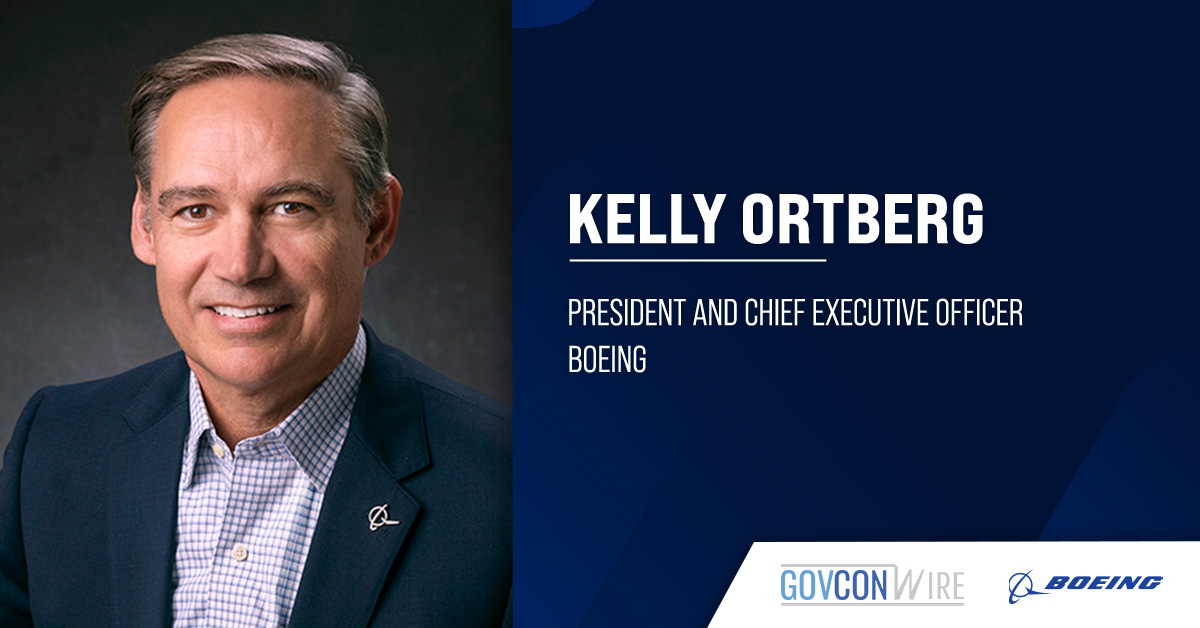
CEO Kelly Ortberg on MQ-25, T-7A & Other Boeing Defense Programs
At Tuesday’s earnings call, Boeing President and CEO Kelly Ortberg told analysts that BDS started ground testing on the first MQ-25 Stingray aerial refueling drone for the U.S. Navy.
“On MQ-25, the team began ground testing and successfully worked through the production move to our new facility, bringing the program closer to first flight for the U.S. Navy,” Ortberg said.
The chief executive said Boeing finalized a memorandum of agreement with the U.S. Air Force to build four T-7A Red Hawk production representative aircraft and has completed five milestones associated with the original agreement.
He cited the active management approach to programs like T-7 and how it enables the company to derisk some of its development programs while delivering capability to customers.
“On KC-46, we delivered 5 tanker aircraft in the quarter. Recent global events remind us this platform continues to deliver unparalleled capability, versatility and operational flexibility for the warfighter no matter where we are,” stated Ortberg, who took the helm of Boeing in August 2024.
“As the customer gains confidence in our stability and operations, U.S. Air Force recently shared its sole source approach for the next batch of KC-46 tankers beyond the current program of record,” he added.
Boeing Contract With Space Force
During the call, Ortberg noted that the company secured a $2.8 billion contract from the U.S. Space Force to develop and build two satellites to deliver space-based nuclear command and control and communications capabilities for the U.S.
“This contract is consistent with our strategy to ensure we enter into the appropriate contract type for the appropriate type of work. Furthermore, this award is a testament to our role as a leader in national security space, and we stand ready to support future programs like the Golden Dome,” he told investors.
The Boeing official said the recently enacted reconciliation bill boosts national defense spending by $150 billion through FY 2029, providing funding for the company’s defense programs, including MQ-25, F-15EX, E-7 and proprietary programs.
“Our portfolio is well positioned to meet the priorities of our customers and the current global threat environment,” he added.
Ortberg on Stephen Parker’s Appointment as CEO of Boeing Defense Business
At the call, Ortberg highlighted the appointment of Stephen Parker as permanent CEO of Boeing’s defense, space and security business. In September 2024, Parker was named interim chief of the Boeing business unit.
“Steve is a terrific leader and has guided the team in our recovery, helping to stabilize our defense business, improve our customer relationships, while developing his people with a focus on building a strong culture. And I look forward to his continued leadership in this turnaround,” Ortberg added.
Boeing’s Q2 2025 Financial Performance
Boeing saw its Q2 revenue increase 35 percent to $22.7 billion and ended the quarter with a total backlog of $619 billion.
The aerospace and defense contractor’s loss from operations during the quarter was $176 million, down from $1.09 billion from the prior-year period.
Ortberg told CNBC’s Squawk on the Street on Tuesday that Boeing aims to generate cash in the fourth quarter.
The company’s commercial airplanes business posted $10.9 billion in Q2 revenue, up 81 percent from the year-ago quarter. The business delivered 150 aircraft, increased the production rate of its 737 program to 38 per month and booked 455 net orders during the quarter.
The second-quarter revenue of the Boeing global services business rose 8 percent to $5.3 billion. The GS segment’s operating margin during the quarter was 19.9 percent.
“Change takes time, but we’re starting to see a difference in our performance across the business,” Ortberg said in a note to personnel.
“If we continue to tackle the important work ahead of us and focus on safety, quality and stability, we can navigate the dynamic global environment and make 2025 our turnaround year,” he added.