
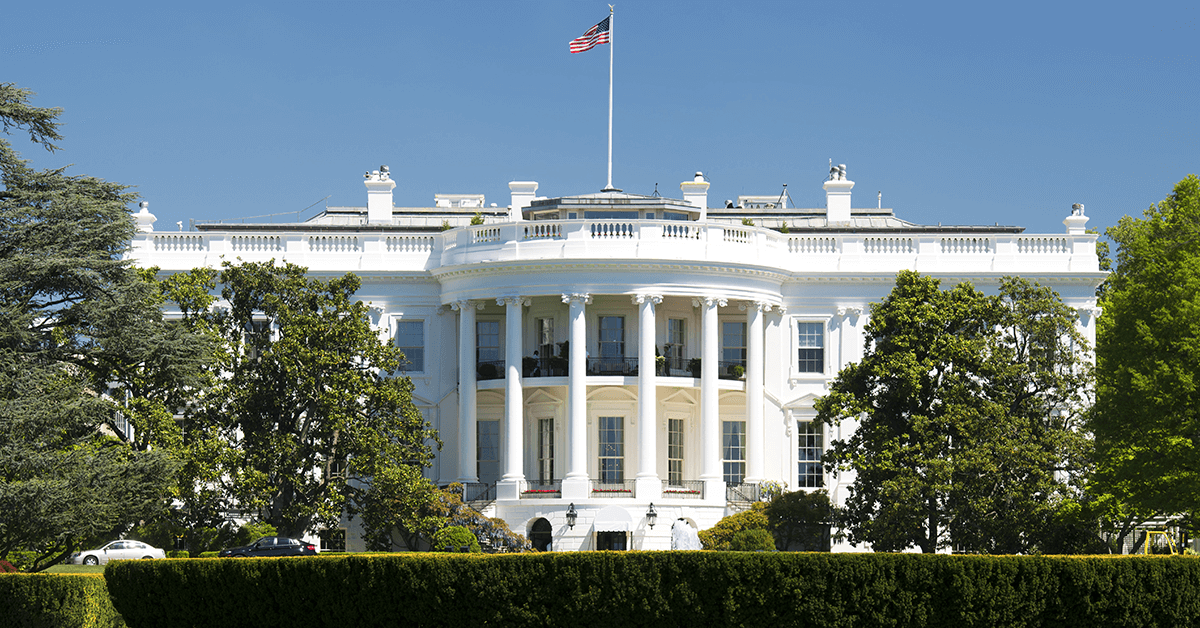

President Joe Biden has appointed several industry leaders to an advisory panel that advises and offers policy recommendations to the White House on issues related to the preparedness, security and reliability of the U.S. communications and information infrastructure.
Scott Charney, vice president for security policy at Microsoft (Nasdaq: MSFT), and Jeffrey Storey, senior adviser to the board and former CEO of Lumen Technologies (NYSE: LUMN), will respectively serve as president and vice chair of the President’s National Security Telecommunications Advisory Committee, the White House said Friday.
The 12 other appointees on NSTAC are:
- Barbara Humpton, president and CEO of Siemens USA and a five-time Wash100 awardee
- Bryan Palma, CEO and board member of Trellix
- Corey Thomas, CEO and board chairman of Rapid7 (Nasdaq: RPD)
- Jeffery Scott McElfresh, chief operating officer of AT&T (NYSE: T)
- Johnathon Caldwell, vice president and general manager of Lockheed Martin’s (NYSE: LMT) military space business
- Kevin Mandia, CEO of Mandiant
- Kimberly Keever, chief information security officer for Cox Communications
- Kyle Malady, president of global networks and technology at Verizon (NYSE: VZ)
- Maria Martinez, COO at Cisco (Nasdaq: CSCO)
- Mark David Dankberg, chairman, CEO and co-founder of Viasat (Nasdaq: VSAT)
- Neville Richard Ray, president of technology at T-Mobile (Nasdaq: TMUS)
- Noopur Davis, corporate executive VP, chief information security and product privacy officer for Comcast Corp. (Nasdaq: CMCSA) and Comcast Cable
Sponsor