Author: Nicholas Hoffman|| Date Published: January 9, 2018
https://www.youtube.com/watch?v=FckLyWn1hfk
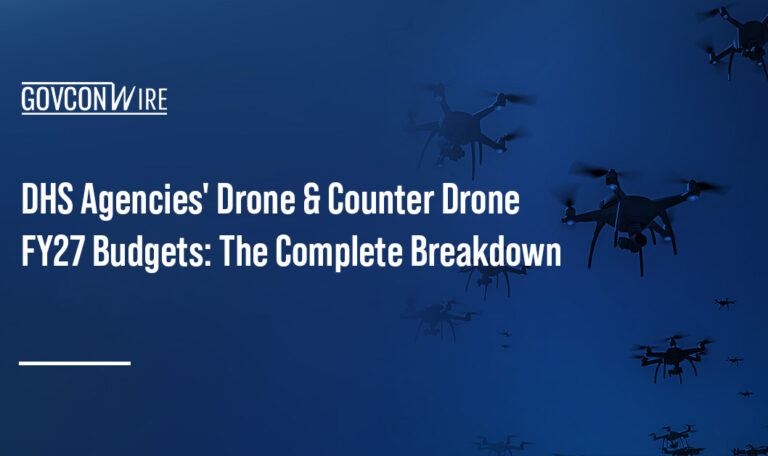
DARPA™s Collaborative Operations in Denied Environment (CODE) program aims to extend the capability of the U.S. military™s existing unmanned aircraft systems (UASs) to conduct dynamic, long-distance engagements of highly mobile ground and maritime targets in denied or contested electromagnetic airspace. Multiple CODE-equipped unmanned aircraft would navigate to their destinations and find, track, identify, and engage targets under established rules of engagement”all under the supervision of a single human mission commander. In its pursuit of these goals, the program has conducted successful Phase 2 flight tests with teams led by Lockheed Martin Corporation (Orlando, Fla.) and the Raytheon Company (Tucson, Ariz.). The CODE teams completed numerous flight tests at Naval Air Weapons Station China Lake in California. Both teams demonstrated numerous CODE capabilities with two real UASs and four virtual UASs flying together, including: ¢ Navigating in a GPS-denied environment ¢ Flying in formation and changing formations based on scenario inputs ¢ Finding and engaging ground targets by leveraging onboard sensors and other CODE-equipped team members with minimal supervision ¢ Adapting to dynamic situations such as attrition of friendly forces or the emergence of unanticipated threats For more information, please visit http://www.darpa.mil/news-events/2018….