
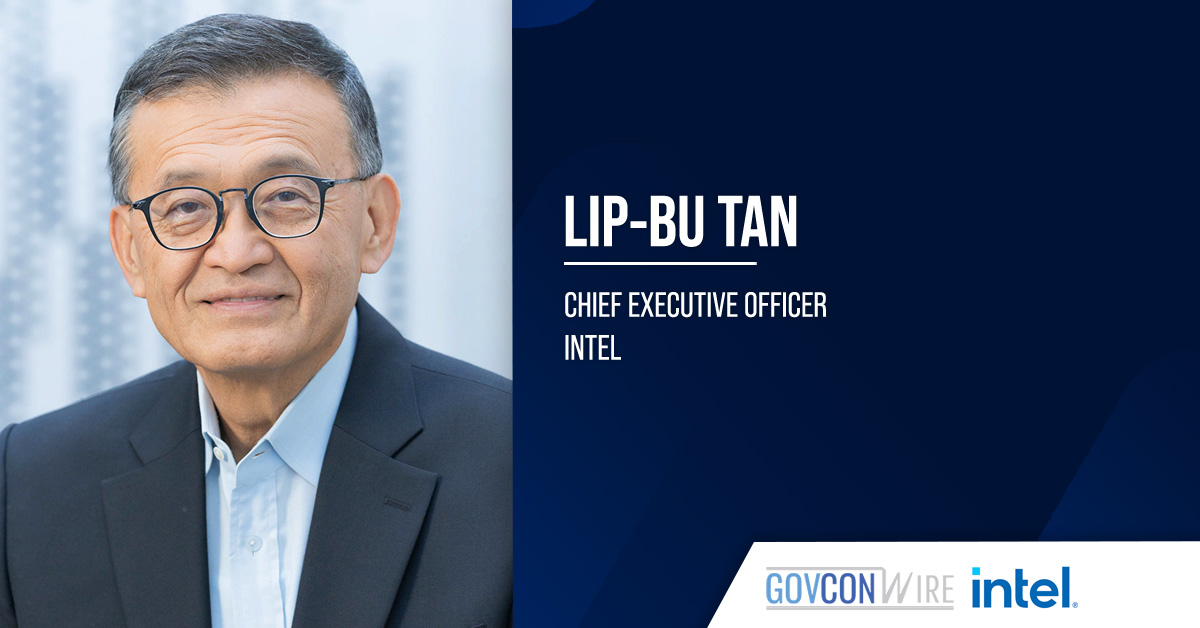

PsiQuantum has appointed Intel CEO Lip-Bu Tan to its board of directors as the company advances efforts to build large-scale, fault-tolerant quantum computing systems.
Tan brings decades of experience in the semiconductor and computing sectors, PsiQuantum said Thursday. Before joining Intel, he was the CEO of Cadence Design Systems, leading the company’s growth in electronic design automation tools used to develop advanced chips.
He has served as chairman of Walden International since 1984 and is a founding managing partner of Walden Catalyst Ventures and Celesta Capital.
Why Does Tan’s Appointment Matter?
The addition of Tan comes as PsiQuantum works to scale its silicon photonics-based quantum computing platform through established semiconductor manufacturing infrastructure, with projects underway in the United States, Australia and the United Kingdom.
In a statement, the Intel CEO pointed to PsiQuantum’s focus on scalable manufacturability and fault-tolerant systems as a differentiator in the quantum computing landscape. In 2025, PsiQuantum raised $1 billion to build fault-tolerant quantum computers.
“I’ve known the PsiQuantum team for many years as an investor and have followed their progress closely as they’ve built one of the most compelling and differentiated approaches in quantum computing,” said Tan. “I’m excited to join the board and support the team as they work to bring this technology to the world.”
How Does It Fit Into PsiQuantum’s Growth Strategy?
The board appointment follows recent leadership changes at the company, including the naming of Victor Peng as interim CEO and co-founder Jeremy O’Brien’s transition to executive chairman.
Peng previously led Xilinx as CEO and served as president at AMD, bringing experience in high-performance and adaptive computing technologies.
What Is PsiQuantum Building?
PsiQuantum is focused on developing quantum computers capable of solving commercially relevant problems. Its architecture is designed to support modular upgrades and large-scale deployment, with applications in areas such as materials science, energy and chemistry.