

KBR’s Mission Technologies Solutions, or MTS, business segment reported $1.4 billion in fiscal 2025 second-quarter revenues, up 7 percent from the prior-year period, and posted $141 million in Q2 adjusted earnings before interest, taxes, depreciation and amortization, or EBITDA, a 6 percent increase from the year-ago quarter.
MTS, formerly KBR’s government solutions segment, emerged as part of a business realignment effort the company announced in January to streamline operations and advance its strategic direction.
In an earnings release published Thursday, KBR said MTS recorded $110 million in Q2 operating income and ended the quarter with a total backlog and options of $17.8 billion, with 1.x book-to-bill for the quarter and 0.9x on a trailing-12-month basis.
Meanwhile, adjusted EBITDA margin was 10 percent during the quarter.
New awards booked the business segment during the quarter include a subcontract with Strategic Resources to expand psychological health services to support Army resilience training; a $476 million base operations support contract in Djibouti; multiple strategic contracts in support of the Air Force Research Laboratory; and a LOGCAP V contract extension through 2030 in support of U.S. European Command and U.S. Northern Command.
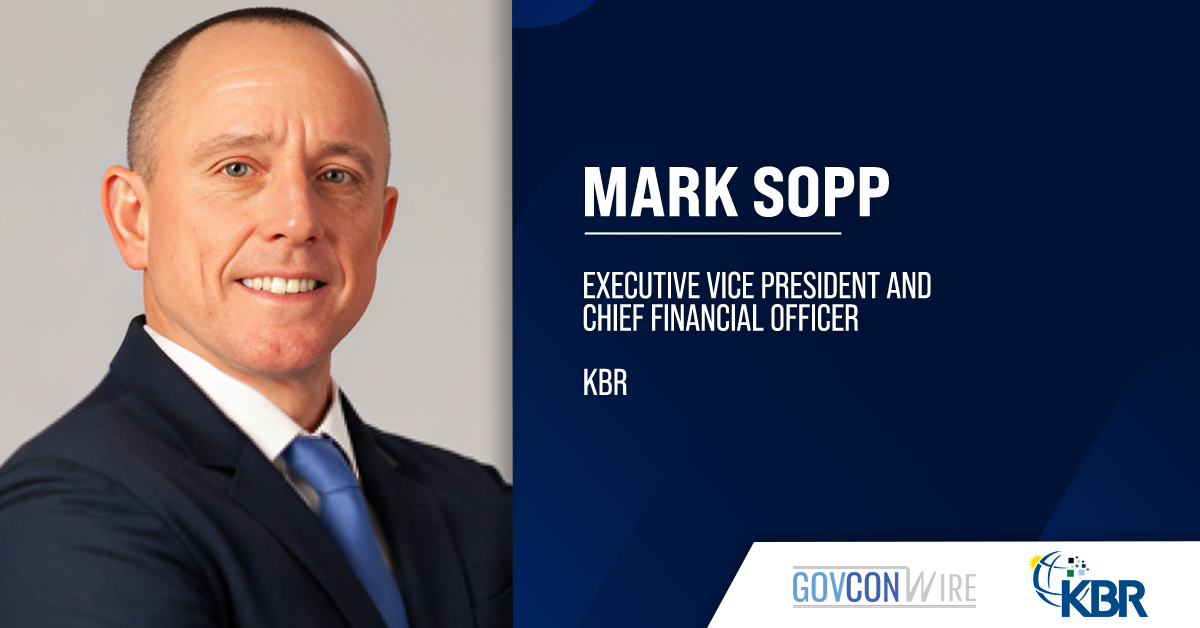
CFO Mark Sopp on MTS Segment’s Fiscal 2025 Q2 Financial Results
At an earnings call Thursday, Mark Sopp, executive vice president and chief financial officer of KBR, discussed the financial performance of the company’s MTS business segment.
“By business unit, Defense and Intelligence generated strong growth of 21% due to the LinQuest acquisition made in Q3 of last year and growth in international, particularly Australia, which was up 10%,” Sopp, a three-time Wash100 awardee, told analysts.
In September 2024, KBR closed its $737 million purchase of LinQuest to expand its engineering, data analytics and digital integration capabilities for the Department of Defense and Intelligence Community agencies.
“Readiness and sustainment contracted due to a slowdown in certain activity within the European theater and a pause in some logistics work tied to the Army’s transformation initiative. And science and space remain consistent with growth opportunities currently limited due to uncertain NASA funding policies so far under the new administration,” the CFO added.
Sopp said KBR expects a compound annual growth rate of between 5 percent and 8 percent for MTS revenue in FY 2027.
Despite recent market disruptions in government contracting, global commitment to national security spending remains strong. With incremental funding from the Reconciliation Act and the factors discussed earlier, we believe the 5% to 8% growth targets for MTS are still achievable,” he noted.
KBR Chief Executive on Golden Dome
During the call, KBR President and CEO Stuart Bradie cited the inclusion of $25 billion in funding for the Golden Dome next-generation missile defense shield in the reconciliation measure. He noted that the company is well positioned to existing contracts with the U.S. Air Force, Space Force, Army and Intelligence Community as the Golden Dome program matures.
“KBR has a long history of engineering support to the Missile Defense Agency on platforms including Patriot, THAAD, Army IBCS and various sensors, including over-the-horizon radar and low-tier air and missile defense sensors. Given the urgency of the Golden Dome timeline, we expect much of this funding to flow to existing contracts and vehicles, which we are well placed,” Bradie added.
KBR’s Q2 2025 Financial Performance
KBR reported $2 billion in fiscal 2025 Q2 revenue, up 6 percent from the prior-year period, and recorded $3.5 billion in Q2 bookings and options with a book-to-bill of 1.0x on a trailing 12-month basis.
For the second quarter, the company posted diluted earnings per share of $0.56, adjusted EPS of $0.91 and operating cash flows of $217 million. Net income for the quarter was $73 million and adjusted EBITDA was $242 million, reflecting a 12 percent increase.
The contractor returned to shareholders a total of $69 million in capital through regular dividends and share repurchases.
The company’s Sustainable Technology Solutions segment recorded $540 million in revenues, a 2 percent growth driven by the rising demand for sustainable tech and services. STS posted a 16 percent increase in Q2 operating income and an adjusted EBITDA of $129 million. The business ended the quarter with a total backlog of $3.7 billion.