

Anthropic’s Project Glasswing and Claude Mythos announcement may have sparked concerns across the cybersecurity community, but Pentagon technology leaders say the emergence of Mythos-style AI models could ultimately strengthen U.S. cyber defense capabilities rather than weaken them.
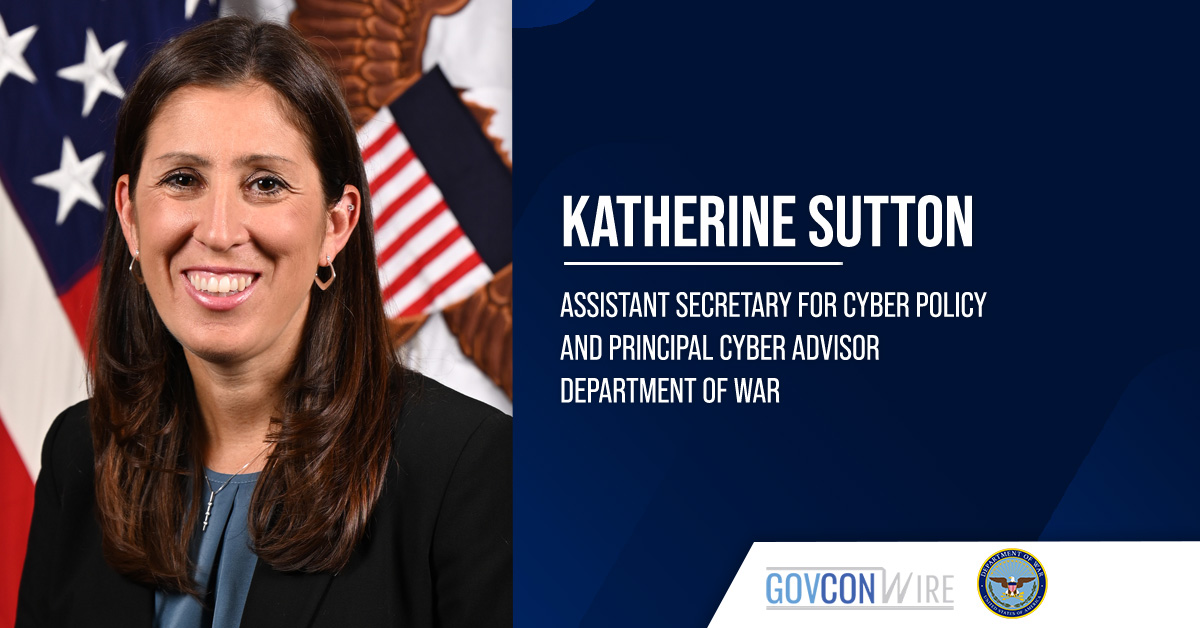
Katherine Sutton, DOW assistant secretary for cyber policy, emphasized that the focus should not solely remain on the offensive risks associated with advanced cyber AI, according to Breaking Defense.
“I hear a lot of people talking about challenges and threats when they talk about Mythos,” Sutton said. “[But] there’s huge opportunity in these models. One of the foundational things that they’re going to enable is the development of secure code.”
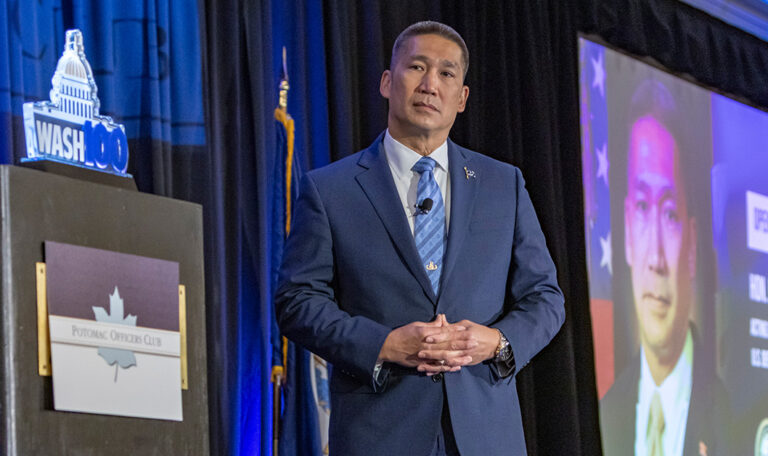
Sutton, who will be speaking at the Potomac Officers Club’s 2026 Cyber Summit this coming Thursday, May 21, argued that traditional cybersecurity workflows, where vulnerabilities are patched over days or weeks, are becoming increasingly unsustainable as AI accelerates both attack and defense timelines. Models like Mythos, she said, could identify and remediate vulnerabilities in “minutes to seconds,” dramatically improving defensive cyber operations.
As conversations around AI-powered cybersecurity continue to accelerate, attendees at the 2026 Cyber Summit will have the opportunity to hear directly from cyber leaders shaping the federal response. Attendees will have the opportunity to ask their pressing questions about Claude Mythos, AI-native cybersecurity, resilience and the evolving threat landscape to keynote speakers:
- Acting Pentagon Chief Information Security Officer Aaron Bishop
- DOW’s Assistant Secretary For Cyber Policy Katherine Sutton
- CISA’s Acting Executive Assistant Director Chris Buttera
- and many other federal cyber officials
Why Is Anthropic Seeking a Massive New Funding Round?
The conversation around Anthropic’s frontier cybersecurity model has intensified as the company reportedly seeks at least $30 billion in new funding at a valuation exceeding $900 billion, according to Bloomberg.
The funding would support expanded infrastructure for Anthropic’s Claude platform as demand for advanced AI systems accelerates. If finalized, the valuation would surpass OpenAI’s reported March valuation and further cement Anthropic’s position as one of the dominant players in frontier AI development.
Anthropic has already secured billions in investments from major technology firms including Google and Amazon and is reportedly considering a potential initial public offering later this year.
Is Claude Mythos Just the Beginning of AI Cyber Models?
Claude Mythos is likely only the first in a broader wave of AI models capable of advanced cybersecurity operations. With OpenAI announcing similar cyber-focused capabilities on the latest GPT rollout, more will likely emerge from other major AI companies over the next year as frontier models continue to evolve.
While AI-powered cybersecurity introduces new risks by accelerating how quickly vulnerabilities can be exploited, it also creates opportunities to dramatically improve cyber defense. Advanced AI systems could help organizations identify and patch vulnerable code far faster than traditional methods, potentially addressing years of accumulated technical debt across aging government infrastructure.
Recent developments made by Mythos have highlighted growing concerns that AI-driven cyber capabilities are advancing rapidly and that governments and contractors will need to modernize defensive strategies just as quickly.
What Does the Pentagon’s Response to Mythos Mean for Government Contractors?
The Pentagon’s comments reinforce a central theme behind Project Glasswing: AI-driven cybersecurity capabilities are advancing too rapidly for governments and contractors to rely on traditional defensive models alone.
For government contractors, the developments could have significant implications for:
- Secure software development requirements
- AI-enabled cyber defense integration
- Supply chain and infrastructure protection
- Autonomous vulnerability detection and remediation
- Classified AI deployment environments
The War Department’s growing support for AI-enabled cyber defense also aligns with broader efforts to accelerate deployment of frontier AI tools across classified networks and mission environments.
Join government and industry leaders preparing for what comes next at the 2026 Cyber Summit on Thursday, May 21. For government contractors navigating the rise of AI-native cybersecurity, the summit offers a timely opportunity to hear directly from decision-makers, gain practical insights and stay ahead of rapidly evolving threats. Register now to join the conversation shaping the future of cybersecurity.
Is this the Future of AI-Native Cybersecurity?
Even as tensions continue between Anthropic and the Trump administration over restrictions on federal use of Anthropic products, defense leaders appear increasingly aligned on one point: AI-native cybersecurity is advancing quickly, regardless of which company leads the market.
For Project Glasswing, the latest developments suggest the initiative may represent more than a standalone cybersecurity effort. Instead, it could serve as an early blueprint for how government and industry will approach cyber defense in the emerging AI era.
What Is Claude Mythos?
Claude Mythos Preview is Anthropic’s frontier AI model designed for advanced coding, reasoning and cybersecurity operations. According to Anthropic, the model can autonomously identify software vulnerabilities, analyze complex codebases and develop exploit paths with minimal human input.
The model is at the center of Anthropic’s Project Glasswing initiative, where it is being used to help organizations strengthen cyber defenses, secure critical infrastructure and improve vulnerability detection at machine speed.
What Is Project Glasswing?
Project Glasswing is Anthropic’s cybersecurity initiative focused on using advanced AI to secure critical software systems and infrastructure. The program brings together major technology and cybersecurity companies—including AWS, Microsoft, Google, NVIDIA and CrowdStrike—to deploy Anthropic’s Claude Mythos Preview model for defensive cyber operations.
Anthropic says the initiative is designed to help organizations identify and remediate vulnerabilities faster as AI-driven cyber threats accelerate. Through Project Glasswing, participants are using Mythos Preview to strengthen software security, improve penetration testing and protect both proprietary and open-source systems.
As AI-native cybersecurity rapidly reshapes the threat landscape, staying informed is becoming mission critical for government and industry leaders alike. Join the conversation at the 2026 Cyber Summit on May 21, where top federal cyber officials, defense leaders and industry experts will discuss the future of AI-driven cyber defense, secure infrastructure and emerging national security risks. Register today to secure your seat and stay ahead of the next era of cybersecurity.