

- Anthropic reportedly explores massive new funding round
- Anthropic deepens focus on AI-driven cyber defense and national security
- Its growth highlights rising demand for frontier AI infrastructure and tools
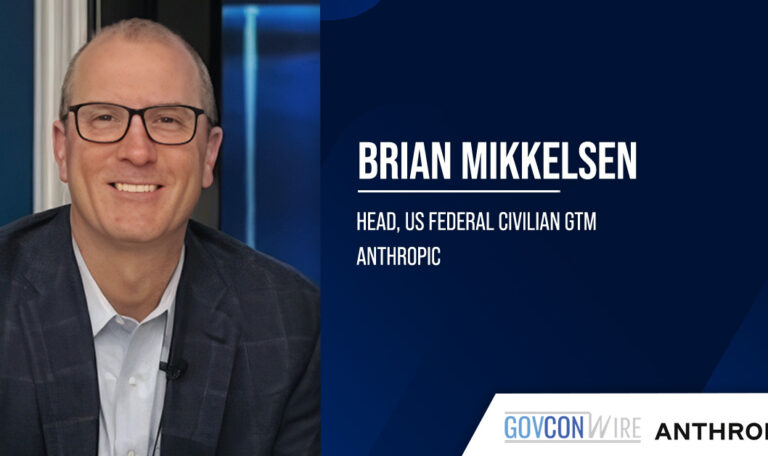
Anthropic‘s reported talks to raise $30 billion at a valuation exceeding $900 billion are expected to intensify industry focus on frontier artificial intelligence capabilities ahead of the Potomac Officers Club’s 2026 Cyber Summit, where AI-driven cyber operations and next-generation defense models are set to dominate discussions among government and industry leaders.

Bloomberg reported Tuesday that Anthropic is in early discussions with investors about what could become one of the largest private funding rounds in the AI sector. The proposed financing would value the Claude developer at more than $900 billion.
The fundraising discussions come as Anthropic pushes deeper into national security, cyber defense and critical infrastructure protection through initiatives such as Project Glasswing and its frontier AI model Claude Mythos.
Why Is Anthropic Becoming a Major Cybersecurity Player?
Anthropic has emerged as one of the most closely watched AI companies in cybersecurity and defense following the rollout of Project Glasswing, a large-scale initiative focused on protecting critical software systems through AI-enabled cyber defense.
The initiative brings together technology firms, cloud providers, financial institutions and cybersecurity companies to test advanced AI systems capable of autonomously identifying software vulnerabilities and hardening critical systems.
At the center of the effort is Claude Mythos Preview, a frontier AI model Anthropic says can independently analyze codebases, identify zero-day vulnerabilities and develop exploit paths with limited human involvement.
The model discovered thousands of previously unidentified vulnerabilities across widely used systems, raising both defensive opportunities and concerns about how increasingly autonomous AI systems could alter the cyberthreat landscape.
Those developments are expected to feature prominently during discussions at the Potomac Officers Club’s 2026 Cyber Summit on May 21, where federal officials, defense contractors and technology executives will examine the growing role of AI in cyber operations, critical infrastructure protection and national security. Register now!
How Does the Funding Round Reflect Growing AI Infrastructure Demands?
According to Bloomberg, Anthropic is pursuing additional financing as demand for its AI products continues to accelerate, increasing the need for computing infrastructure and large-scale model training capacity.
The company has already secured major investment commitments from Google and Amazon. Google recently committed $10 billion at a $350 billion valuation, with the potential for an additional $30 billion tied to performance milestones. Amazon has also committed $5 billion initially, with plans to invest up to $20 billion more over time.
The company’s rapid expansion has fueled speculation about a possible public offering. Bloomberg previously reported Anthropic could pursue an IPO as early as October.
What Could Anthropic’s Growth Mean for Government Contractors?
Anthropic’s expansion underscores how AI companies are becoming central players in the national security and cyber defense ecosystem.
Project Glasswing specifically targets mission-critical infrastructure and government-adjacent cyber environments, signaling growing demand for AI-native cybersecurity tools capable of operating at machine speed.
For government contractors, the rise of Anthropic and similar firms points to accelerating adoption of:
- AI-enabled cyber defense systems
- Autonomous vulnerability discovery
- AI-assisted DevSecOps workflows
- Real-time threat detection and remediation
- Secure frontier AI deployment frameworks
Anthropic has emphasized the importance of public-private collaboration as governments and industry confront increasingly sophisticated AI-enabled cyberthreats.
The company said it plans to publish findings from Project Glasswing and continue working with government stakeholders on cybersecurity standards, vulnerability disclosure frameworks and safeguards for advanced AI systems.