

- Government agencies must ensure they have the right level of infrastructure to get the most out of the artificial intelligence systems they acquire
- A top OpenAI executive said at the Potomac Officers Club’s 2026 GovCon Executive Leadership Summit that if public sector professionals want AI to do more than simple tasks, they need to get the infrastructure right
- Hear more mission-focused AI dialogue from leading federal officials at the 2026 Artificial Intelligence Summit on March 18!
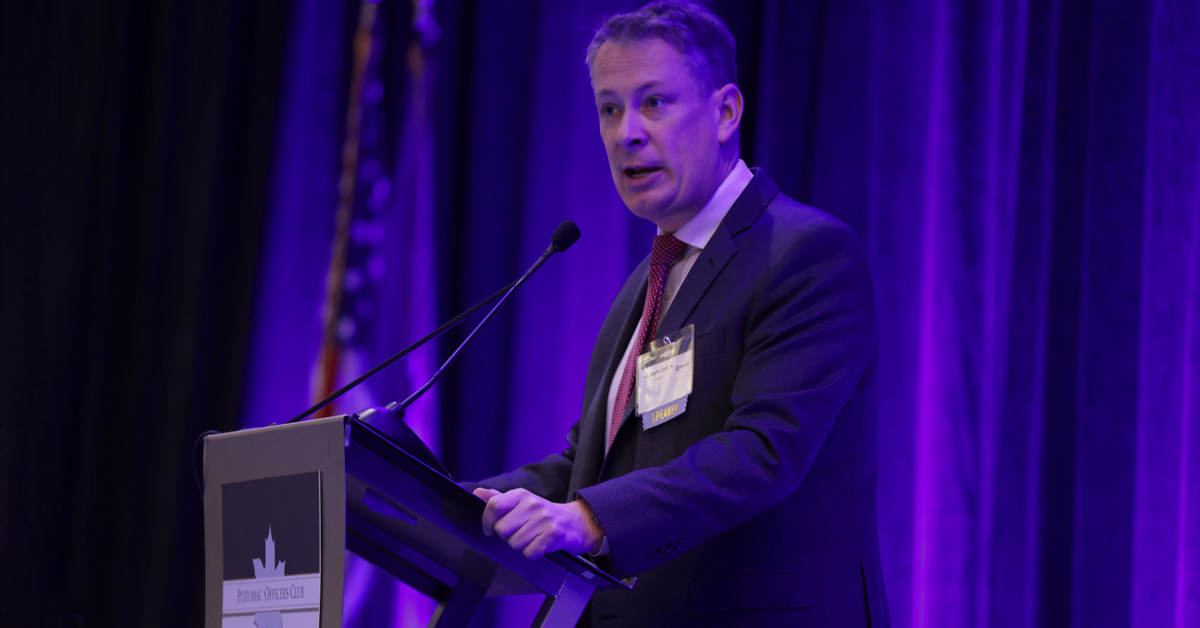
Public sector agencies must ensure they have the appropriate level of infrastructure to ensure they maximize the value of the artificial intelligence products they procure, a top AI executive said at the Potomac Officers Club’s 2026 GovCon Executive Leadership Summit.
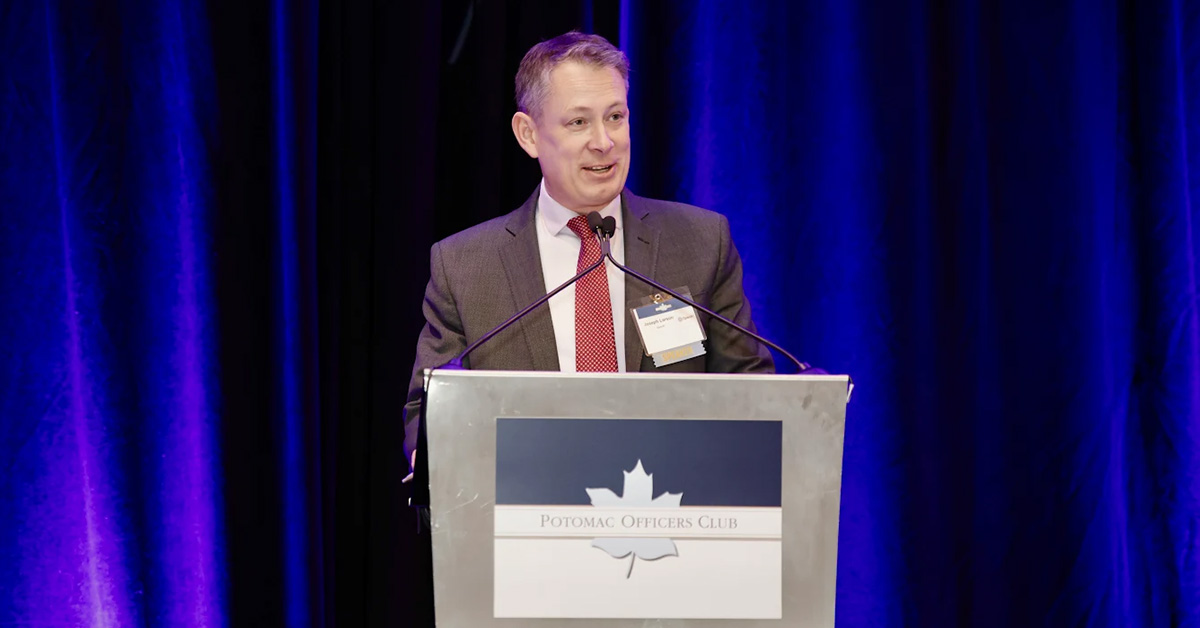
Joseph Larson, OpenAI vice president and head of government and 2026 Wash100 Award winner, said on Thursday during his keynote address that AI is quickly becoming more capable. But the infrastructure isn’t changing.
OpenAI is the developer of ChatGPT and the new ChatGPT Gov, which debuted last year. Larson said many public sector professionals focus on user experience when acquiring technologies. But what matters with AI, he said, is what you cannot see: do you have the infrastructure to run agents?
“This is a team sport and the infrastructure and data have to be there for AI to work,” Larson said. “If we’re going to talk about AI doing more in advancing beyond its current applications, you need to get your infrastructure right first.”

Hear directly from top federal officials about how they’re maximizing AI at the Potomac Officers Club’s 2026 Artificial Intelligence Summit on March 18! Get actionable intelligence directly from Cameron Stanley, the Department of War chief digital and AI officer. Secure your seat today!
Many public sector professionals, Larson said, are excited about AI when they meet with him. But then he asks about the available computing infrastructure and if it’s realistic to their expectations. Many times, it’s not.
Perhaps they don’t have enough power to perform the computing they desire. Larson said public sector professionals need to think further into the future about additional infrastructure to get the most out of their AI investments.
Why Should Public Servants Manage Their AI Expectations?
It is important for public sector professionals to also manage their expectations when it comes to the performance of the AI technologies they procure. This is especially because of the unique nature of government work, which often impacts national security and consumer healthcare and finances.
Larson said many times, public servants believe they can take commercial AI technology, apply it to the unique mission of government business, and expect the same level of performance, safety and trust. AI safety is about preventing accidents, misuse or other harmful consequences from AI systems.
The agencies that best utilize AI, he said, appropriate a large part of their budgets to AI trust and safety, not just to the AI application itself.
“AI access and availability is difficult when you talk about the public sector,” Larson said. “You can’t just slap these into sensitive public sector domains.”
How Is AI Outpacing Public Sector Use?
Larson said AI models are outpacing how public sector professionals use the technology. He said many queries he receives from public servants are about tasks from ChatGPT’s unveiling in 2022: drafting emails, summarizing reports and performing basic analyses. While these are useful tasks for an AI application and are not unique to government, Larson said it doesn’t operationalize AI as a true mission capability.
“There’s a gap between what AI can do and how people use it,” he said. “It’s not shrinking, it’s growing.”
The way the federal government buys technology has also changed as AI becomes more capable. Larson said modern government acquisition policies largely reflect how it bought military equipment prior to World War II.
As AI capabilities grow, Larson said the federal government needs a system level discipline that is different from how the government acquires technology. This requires a deep iteration between frontier labs and the government.
“You can’t solve these reliability challenges in the abstract and the government can’t deploy these tools without meaningful feedback loops to the teams that are actually building them,” he said.
Who Is Joseph Larson?
Joseph Larson, as OpenAI vice president and head of government and a 2026 Wash100 Award winner, directs the firm’s interaction with federal, international, local and state government partners. He was previously chief of staff and senior vice president at Anduril. Larson also served as the first deputy chief digital and AI officer for algorithmic warfare, or DCDAO(AW), in the Office of the Secretary of War.
Larson is a colonel in the U.S. Marine Corps Reserve, serving as an intelligence officer.